
-
🚀 Dart Cheat Sheet – A Complete Beginner-to-Intermediate Guide
Dart is a modern, object-oriented programming language developed by Google and is primarily used for building Flutter applications. This cheat sheet gives you a clear, structured, and in-depth understanding of Dart’s core concepts, exactly like the screenshot — but with real explanations and examples. 🔹 1. Variables in Dart Dart supports static typing, but…
-
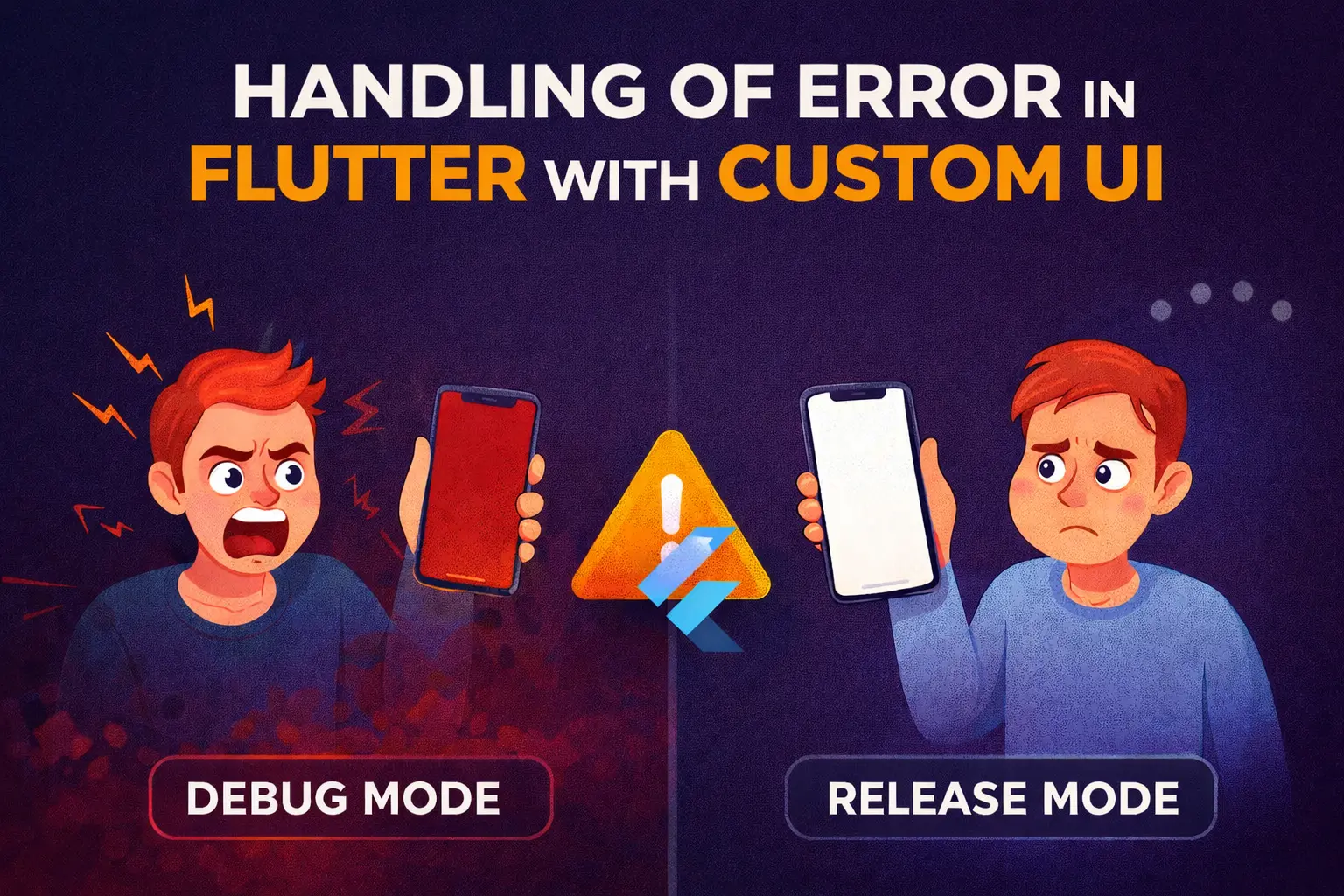
Handling of Error in Flutter with Custom UI
Debug vs Release: A Dangerous Illusion In debug mode, Flutter is incredibly helpful: ❌ LateInitializationError: Field ‘user’ has not been initialized. You see it instantly. You fix it. Life is good. But in production? That same error might become: No logs.No crash analytics.No explanation. To users, your app didn’t “error” — it broke. This…
-
🚀 Flutter FVM Setup and How to Use It in Code
Managing multiple Flutter SDK versions manually can be a headache — especially when you work on multiple projects that require different Flutter versions. That’s where FVM (Flutter Version Management) comes in handy. In this post, you’ll learn: 🧠 What is FVM? FVM stands for Flutter Version Management. It allows you to easily install, manage,…
-
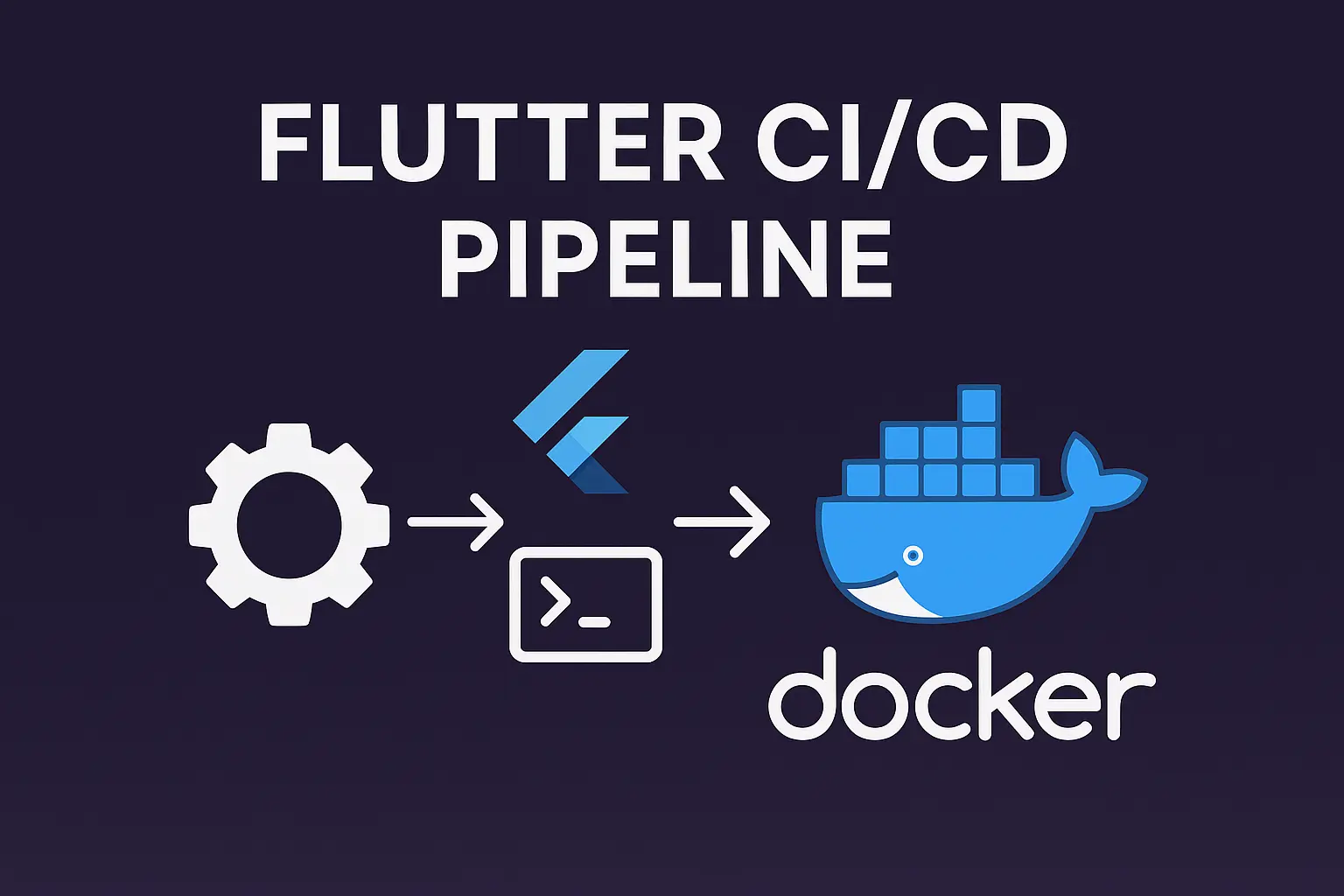
Building a Robust Flutter CI/CD Pipeline Using Docker for Automated Deployment
Setting up a reliable CI/CD pipeline is one of the most impactful upgrades you can make to your Flutter development workflow. Whether you’re deploying to the web, publishing mobile apps, or generating internal builds, automating your build steps ensures higher reliability, repeatability, and team efficiency. In this guide, we’ll walk through building a CI/CD…
-
🚀 Flutter 3.38 & Dart 3.10 Are Here — And This Release Is a Game-Changer
Hey Flutter fam! 👋If you’ve been waiting for a release that truly shifts the trajectory of cross-platform development, Flutter 3.38 + Dart 3.10 is exactly that moment. After digging through the notes, commits, tools, breaking changes, and new SDK updates, I can confidently say this is one of the most impactful updates in recent…
-
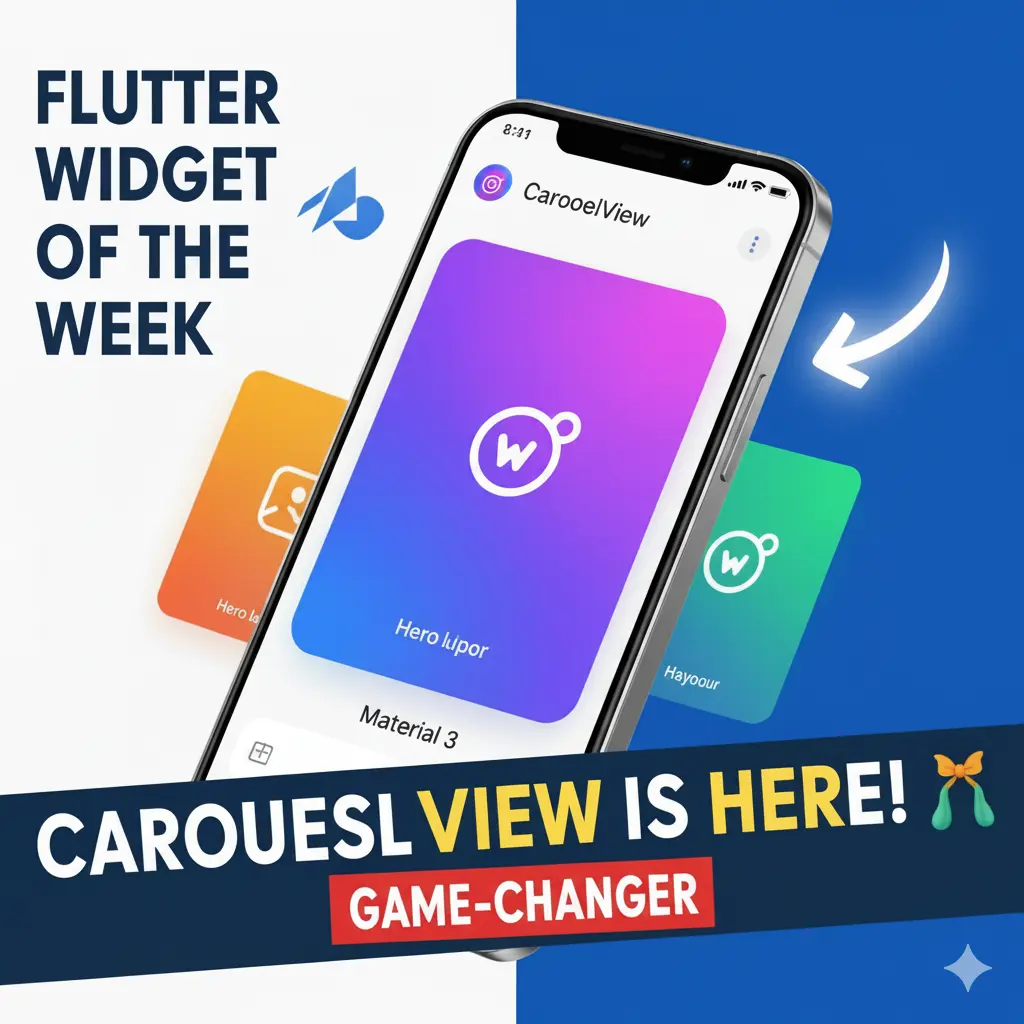
Finally! Flutter’s CarouselView is Here and It’s a Game-Changer
Hey Flutter friends! How many times have you reached for a third-party package just to get a decent, modern-looking carousel? Too many, right? We’ve all been there, trying to wrestle a PageView into a custom, dynamic layout. Well, if you haven’t seen the recent “Widget of the Week” video on the CarouselView, stop what…
-
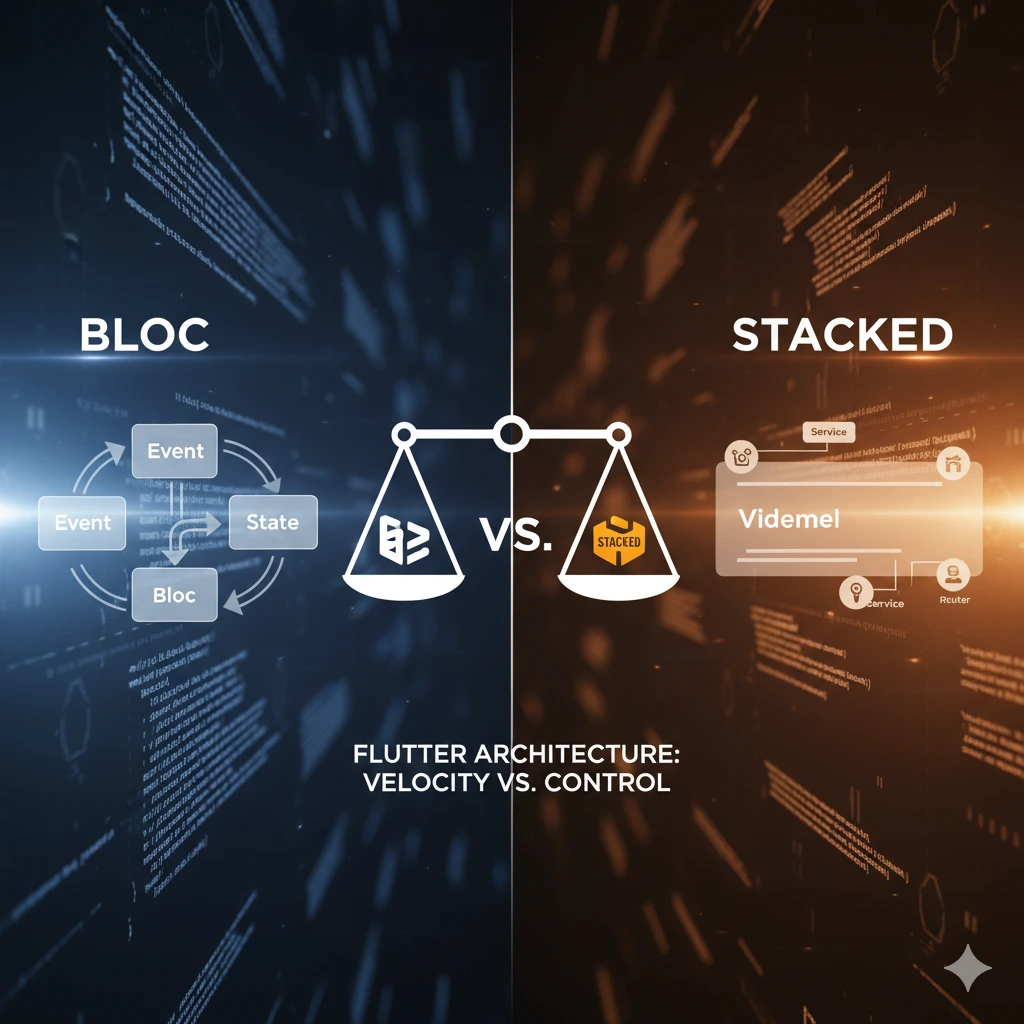
BLOC vs. Stacked: Choosing the Right Architecture for a Fintech App
When building a robust Flutter application, the architectural decision between BLOC (Business Logic Component) and Stacked MVVM can significantly impact long-term maintenance and development speed. While both are excellent, a detailed comparison is necessary to align the architecture with the project’s goals 💡 A New Scenario: The “CoinFlow” Investment Platform Let’s imagine developing CoinFlow,…
-

Master the S.O.L.I.D. Principles in Dart/Flutter: Build Robust Mobile Apps
The S.O.L.I.D. Principles are five foundational design guidelines crucial for developing software that is maintainable, flexible, and robust. Applying these principles in Dart/Flutter allows you to build scalable and testable mobile applications by enforcing better separation of concerns and reducing coupling. Let’s explore each principle with practical Dart/Flutter code examples! S – Single Responsibility…